C
Clinton Courier
Guest
- Thread Author
- #1
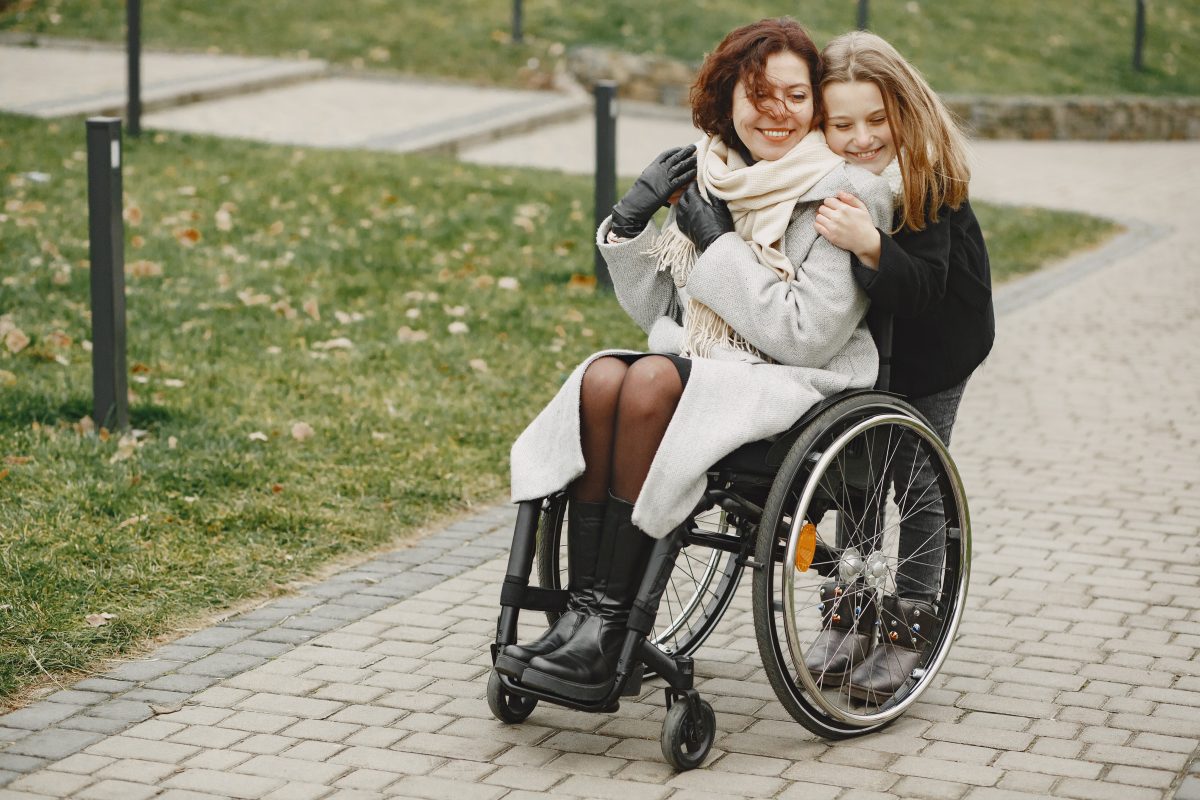
Once a neighbor has been involved in an accident or illness that results in the person becoming disabled, the person’s life will change overnight. Not only are there going to be physical obstacles, but there will also be a big emotional challenge. The normal activities such as walking the dog, doing the lawn, or even stopping to say hi to the neighbors from the sidewalk will become a thing of the past. Many individuals navigating this new reality find themselves overwhelmed by administrative burdens and complex legal processes like work-related disability claims.
The Subtle Danger of Social Isolation
The response immediately following a disabling incident usually takes the form of visits and food from friends and neighbors and get-well wishes. Unfortunately, as time passes from weeks to months, this response will begin to dwindle. The disabled person who now has to adjust to this lifestyle will remain in the house for long periods as the rest of the neighborhood carries on with life.
This can cause problems of isolation, which can occur without even being noticed. When one becomes immobilized or independent, going out in public means making arrangements and taking effort, which cannot always be possible. The result will be that the sense of isolation will become detrimental to recovery and to mental well-being.
Simple Actions That Rebuild Connections
Maintaining a connection doesn’t have to involve some kind of brave, daring act or expensive gesture. On the contrary, small acts of kindness on a regular basis will prove far more effective in making a neighbor feel connected to his community. Something as simple as waving across the driveway or delivering a postcard can serve as a reminder that he is still regarded as an important part of the neighborhood.
Providing assistance that eases everyday tasks in a manner that is not overwhelming will also decrease everyday stress. Rather than putting the responsibility on your neighbor by saying something general like “Let me know if you need anything,” be specific in the help you are offering. Fetching the trash cans on garbage collection days, picking up a few groceries when you are at the supermarket already, or shoveling the snow off the front walkway requires little additional effort on your part but eliminates a huge physical barrier for them.
Creating Accessible Opportunities for Social Interaction
Inclusion means giving room to someone the way they are at the moment, instead of waiting for them to revert back to their old self. In case there are block parties, book clubs, or even coffee meetings in your neighborhood, take a minute to consider accessibility. Making sure the entrance is easily navigated, having comfortable seats to offer, and pathways that are not congested can determine whether your neighbor comes out or stays put.
Even if the neighbor cannot go out or may not be ready to do so, bringing a bit of the community to him/her can fill the gap. Visiting for fifteen minutes, offering community gossip, or just spending time on his porch with some hot tea can make up for this normality again.
Building a Culture of Neighborhood Care
A true community can be judged on its ability to provide for its weakest members. Each effort you make towards ensuring that a disabled neighbor of yours feels welcome and cared for helps build a culture of compassion and trust. These little efforts will help ensure that no one gets left behind in isolation.
Conclusion
Helping out a neighbor during times of transition will require patience, understanding, and continuity. While he or she is concentrating on recovering and coping with all sorts of systems, such as filing work-related disability claims, you provide consistent help to make sure that he or she doesn’t get left behind within his or her community.
Read more: How Disability Appeals Work After a Benefits Denial
Read more: How Disability Lawyers in Orlando Help You Secure SSDI & SSI Benefits
Read more: Community Safety Tips Everyone Should Know To Stay Injury-Free
The post After a Neighbor Is Disabled, Small Gestures Can Keep Them Connected to the Community appeared first on The Clinton Courier.